Discover the Hidden Potential of Your Bolingbrook Home
Maintaining the elegance of a beautiful suburban property means utilizing only the highest quality materials for any interior upgrade. Beautifully designed master baths significantly boost your home equity while providing incredible daily comfort. Homeowners wanting to secure flawless bathroom remodeling near me Bolingbrook consistently partner with BM Home & Bathroom Remodeling for our elite craftsmanship and artisan detailing. We bring the absolute best out of your existing floor plan.
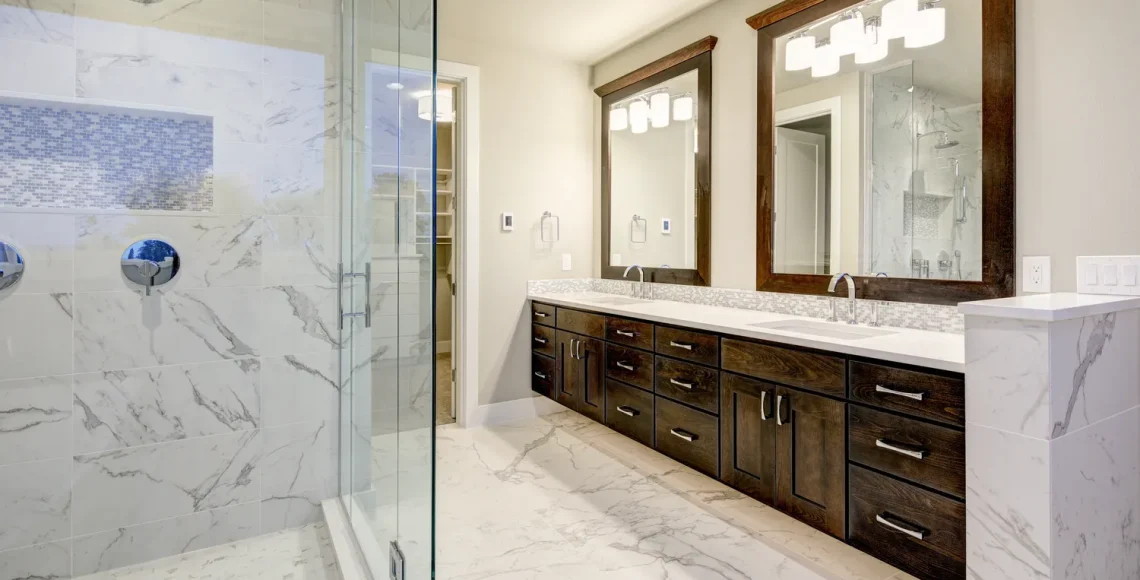
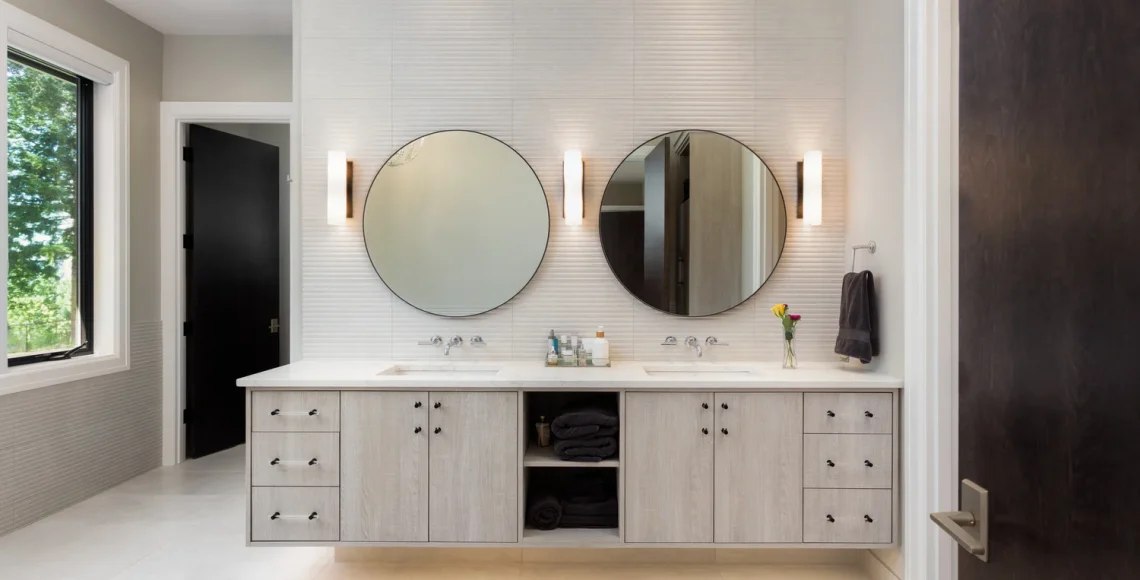
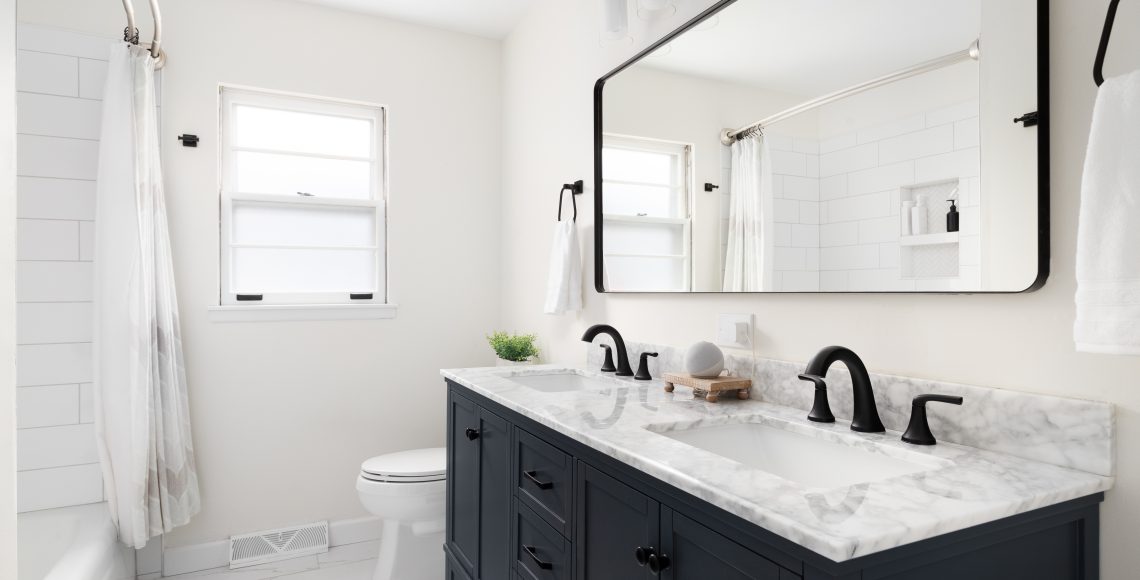
Executing a sophisticated project demands a crew that completely understands complex architectural layouts. When you look into top tier bathroom remodeling near me Bolingbrook, you will value our ability to blend elegant design with cutting edge plumbing technology. We meticulously install expansive walk in showers, custom built vanity transitions, and intricate border patterns that perfectly complement your grand estate. Our professionals maintain a pristine job site from the initial prep work to the very last coat of polish.
Do not compromise on the beauty of your luxurious sanctuary. Whenever you demand exceptional artistry from bathroom remodeling near me Bolingbrook, BM Home & Bathroom Remodeling stands ready to deliver perfection. Call our expert design consultants right now to book your comprehensive home evaluation.